Follow Us:
Latest information, tips, and news from our clinic regarding oral and dental health.
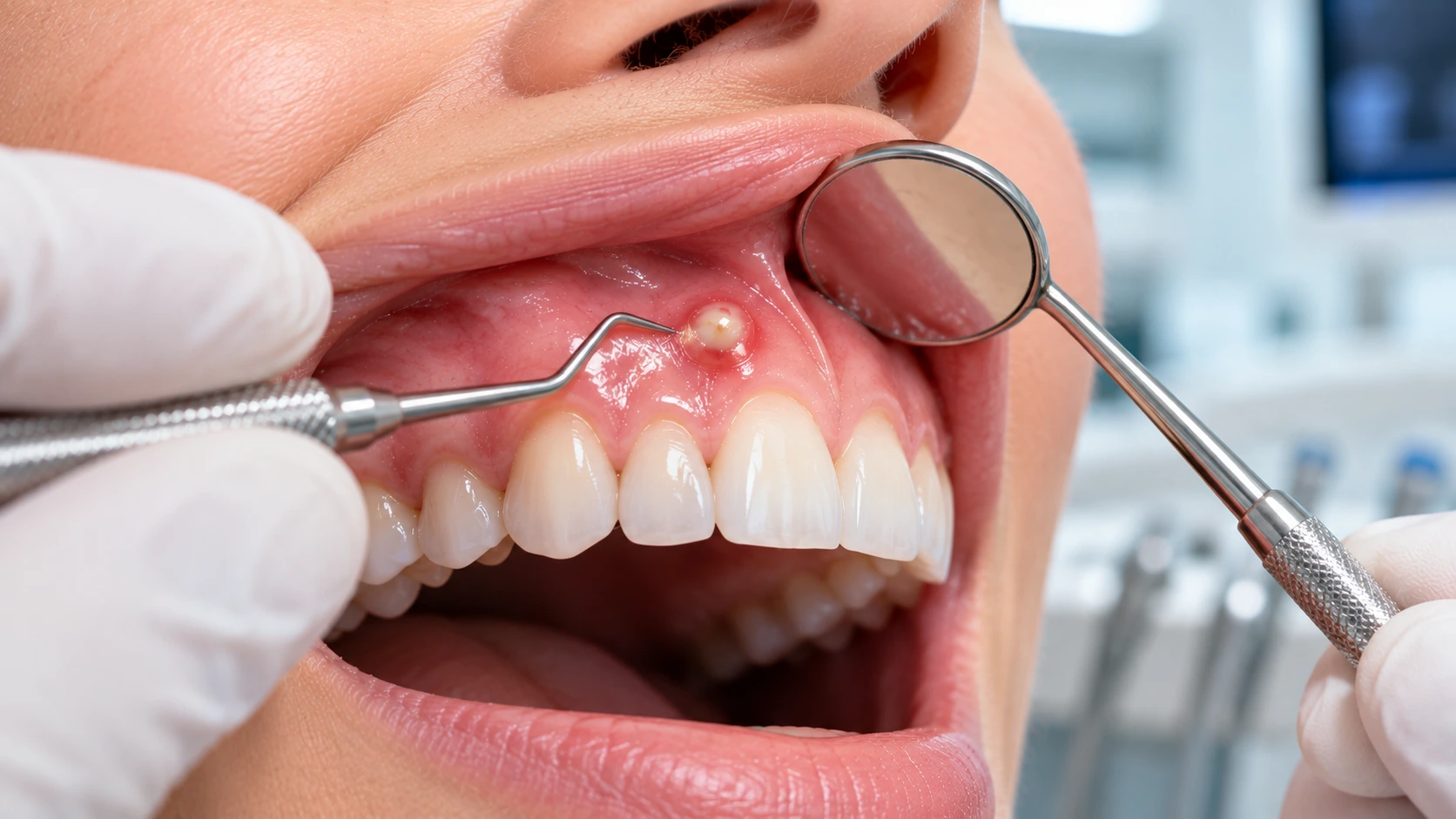
A gum boil that does not hurt is almost always a sinus tract, a small drainage channel from an infection at the root tip of a tooth. The lack of pain means the pressure is escaping, not that the infection has gone. An Antalya dentist explains what causes it, why you should not pop it, and what treatment actually resolves it.
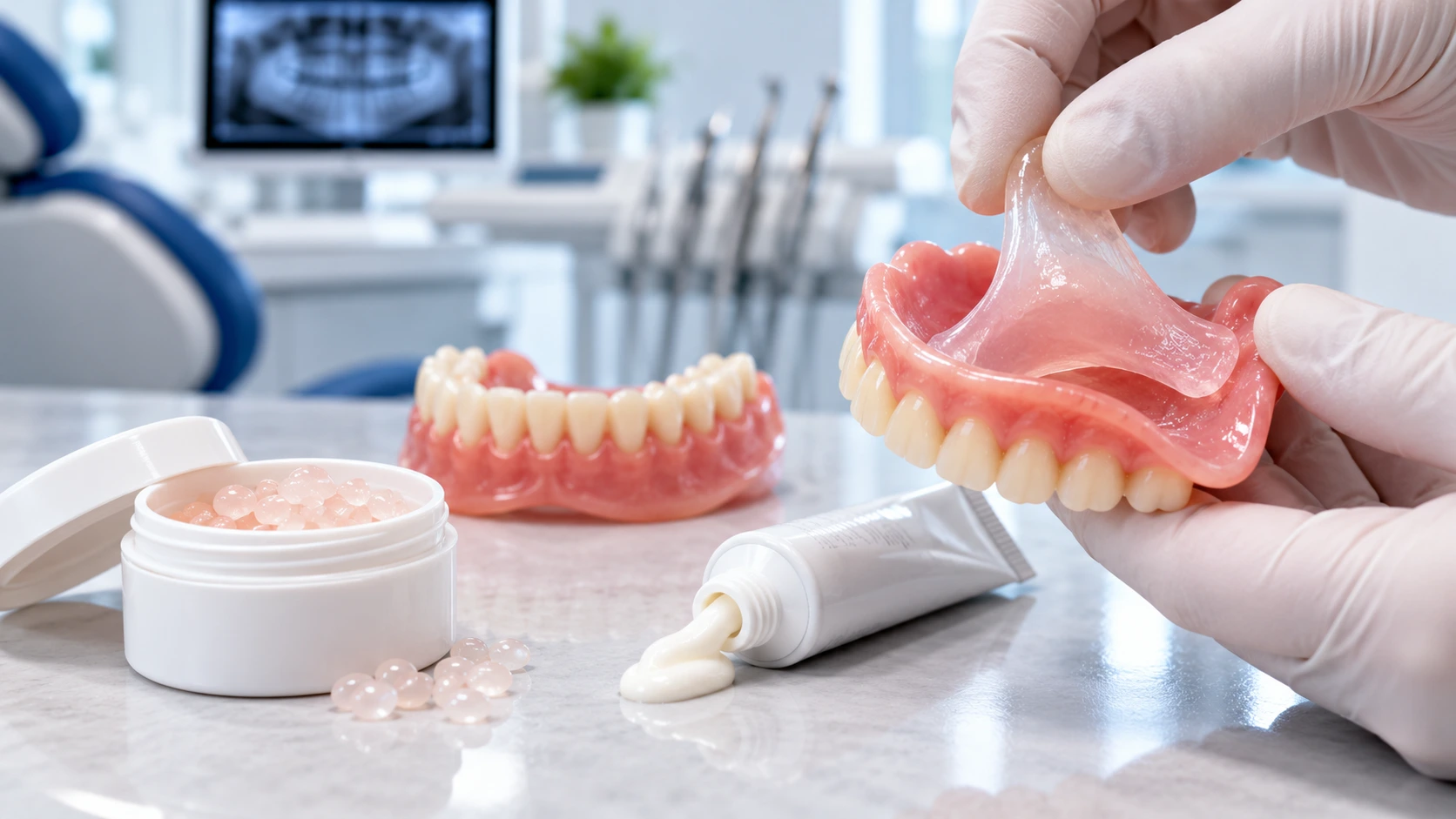
Thermoplastic denture adhesive softens in hot water and sets into a firm cushion inside the denture, which holds better than cream for many wearers. It is not dangerous in itself, but it hides the real problem, which is a denture that no longer fits the shrinking jaw underneath. An Antalya dentist explains how it works, what the risks are, and the options that actually fix the fit.
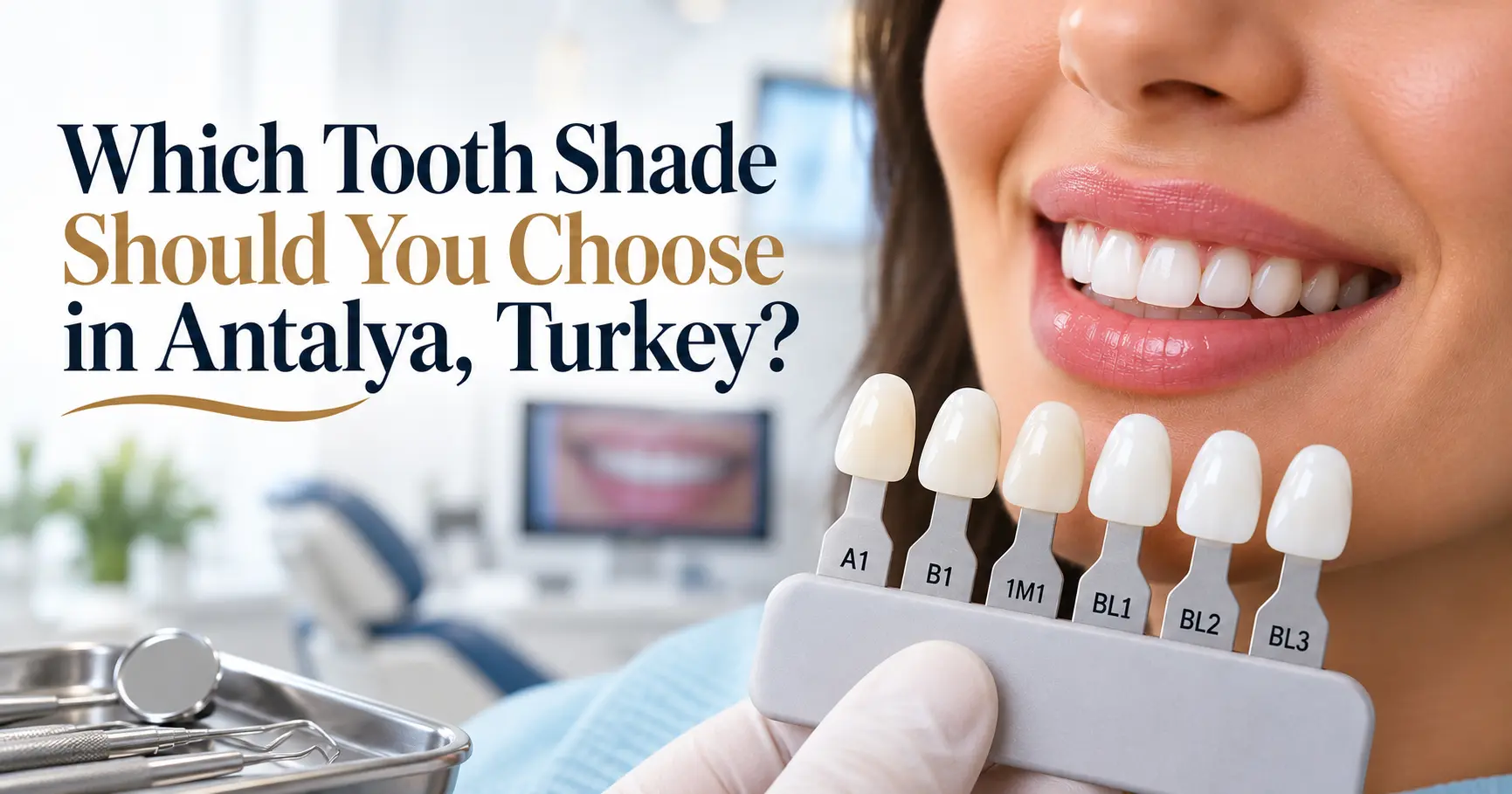
Tooth shades are standard codes, not opinions. B1 is the lightest natural shade, BL1 to BL4 sit beyond anything that occurs naturally, and 1M1 is the light end of the VITA 3D-Master system. An Antalya dentist explains what each code looks like, whether B1 is too white, how A1 and B1 differ, and how to choose a shade that still looks like your own face.
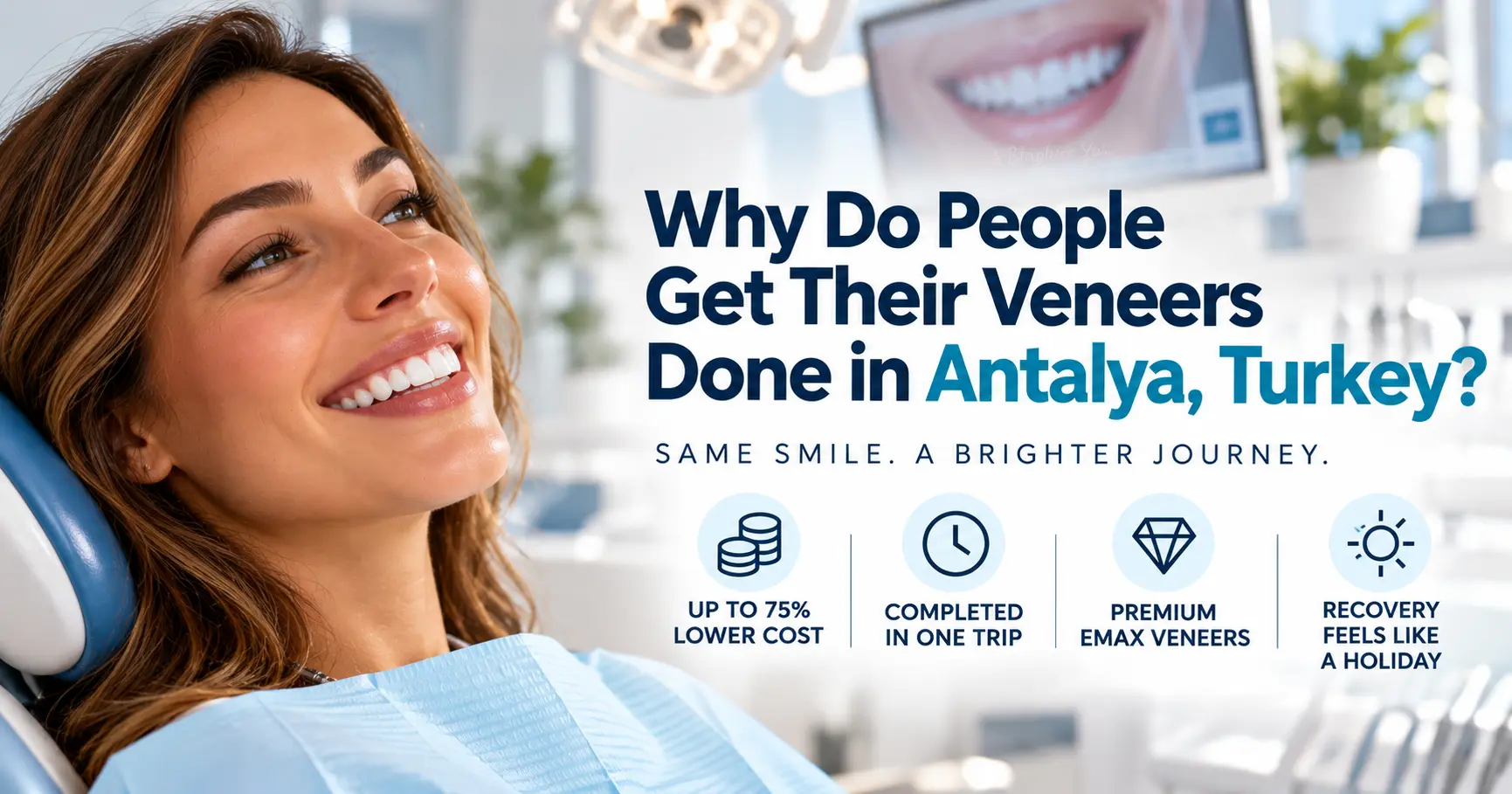
People travel to Antalya for veneers mainly because the same work costs a quarter of the UK price and can be finished in one trip. An Antalya dentist explains where the saving genuinely comes from, why Emax comes up so often, what goes wrong in the cases you read about, and who is better off staying at home.
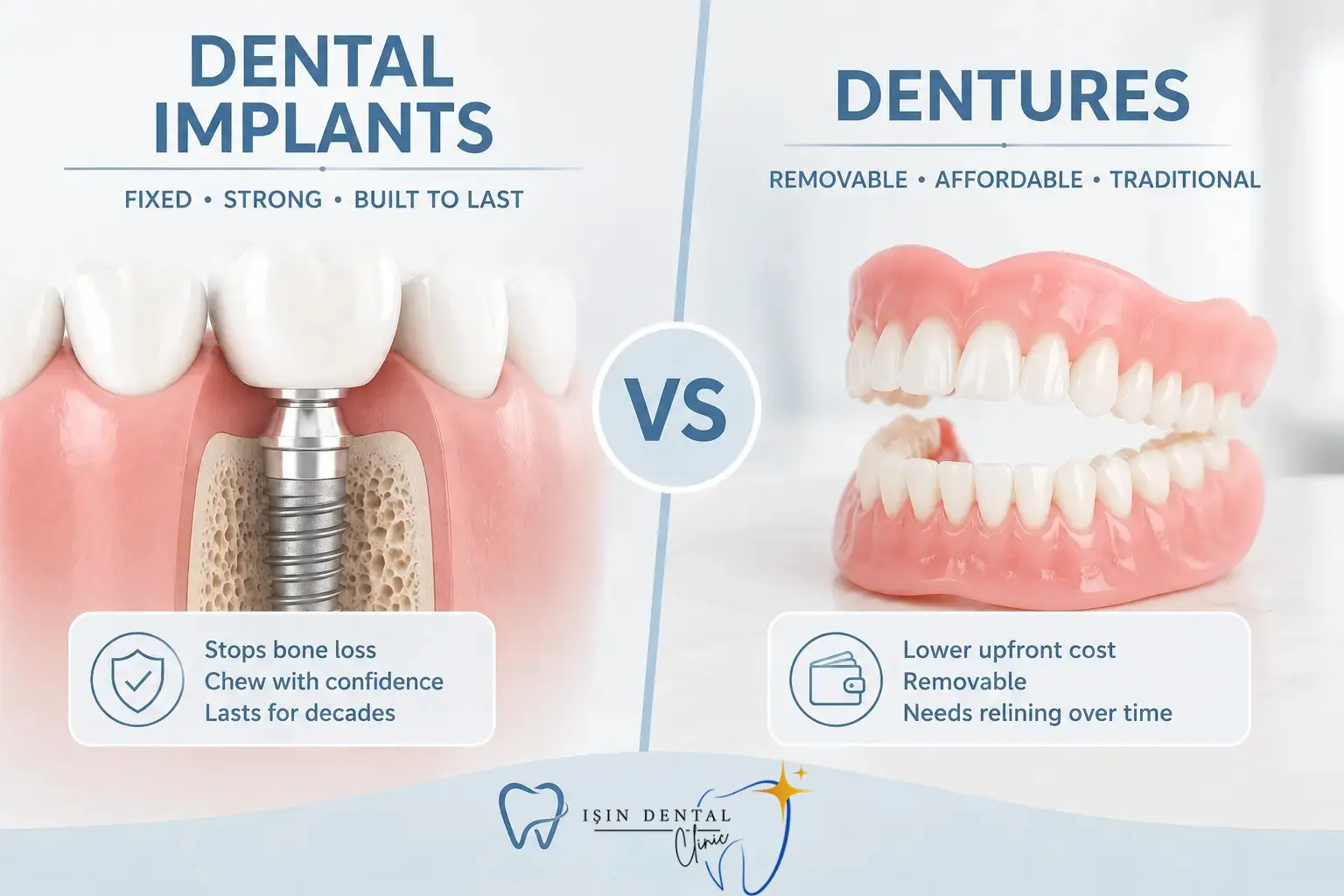
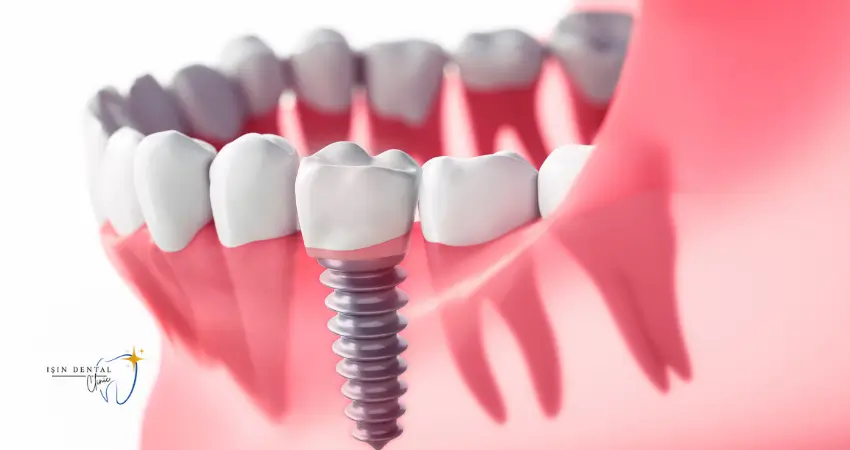
Dental implants vs dentures: implants are fixed into the jawbone and stop bone loss, dentures sit on the gum and are removable. An Antalya oral surgeon compares comfort, chewing power, lifespan, bone health and cost against UK prices, and explains who each option actually suits.
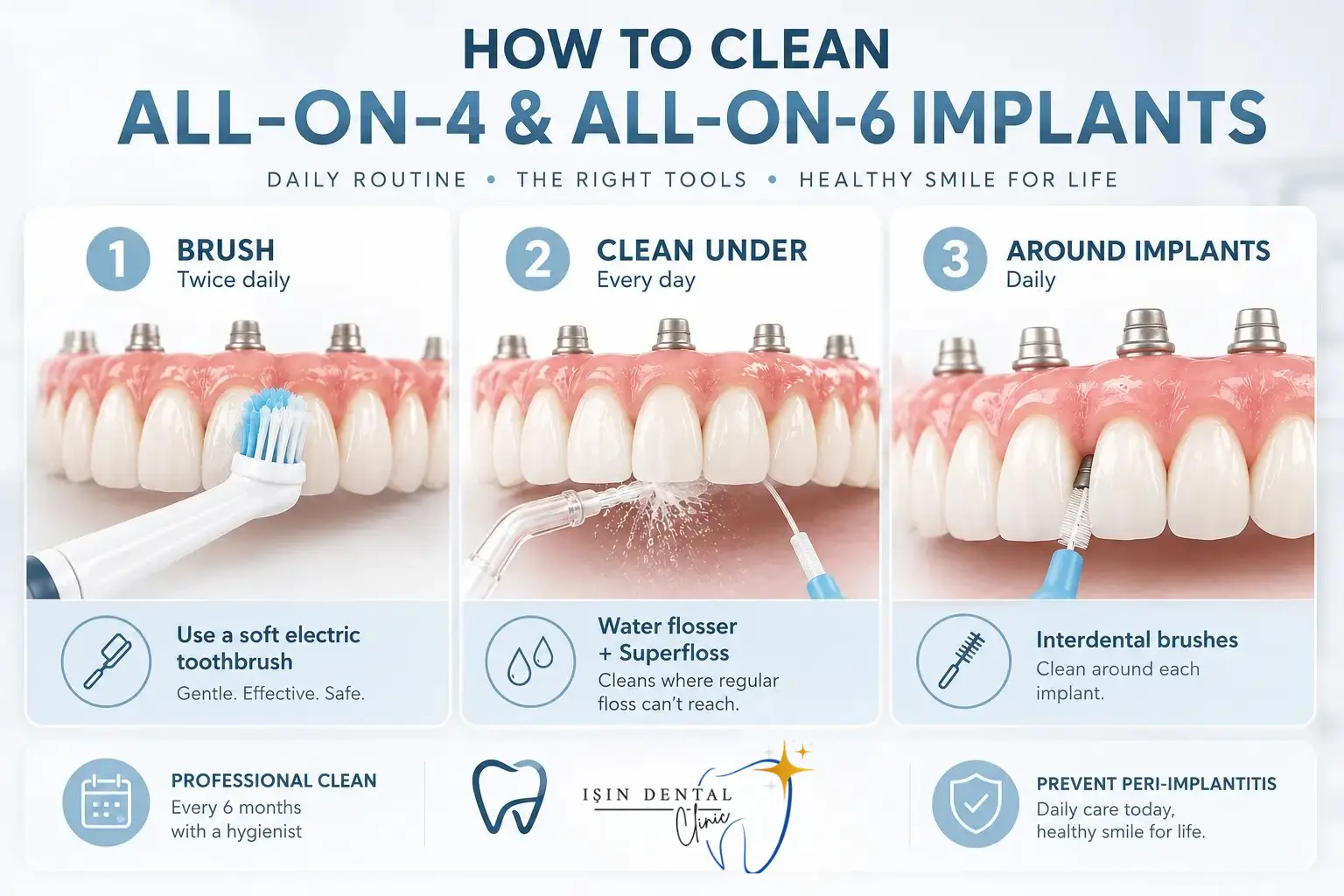
How to clean All-on-4 and All-on-6 implants: brush twice daily with a soft or electric brush, clean under the bridge every day with a water flosser and superfloss, use interdental brushes around each implant, and attend a hygienist every six months. Peri-implantitis is the main cause of implant failure and it is almost always preventable.
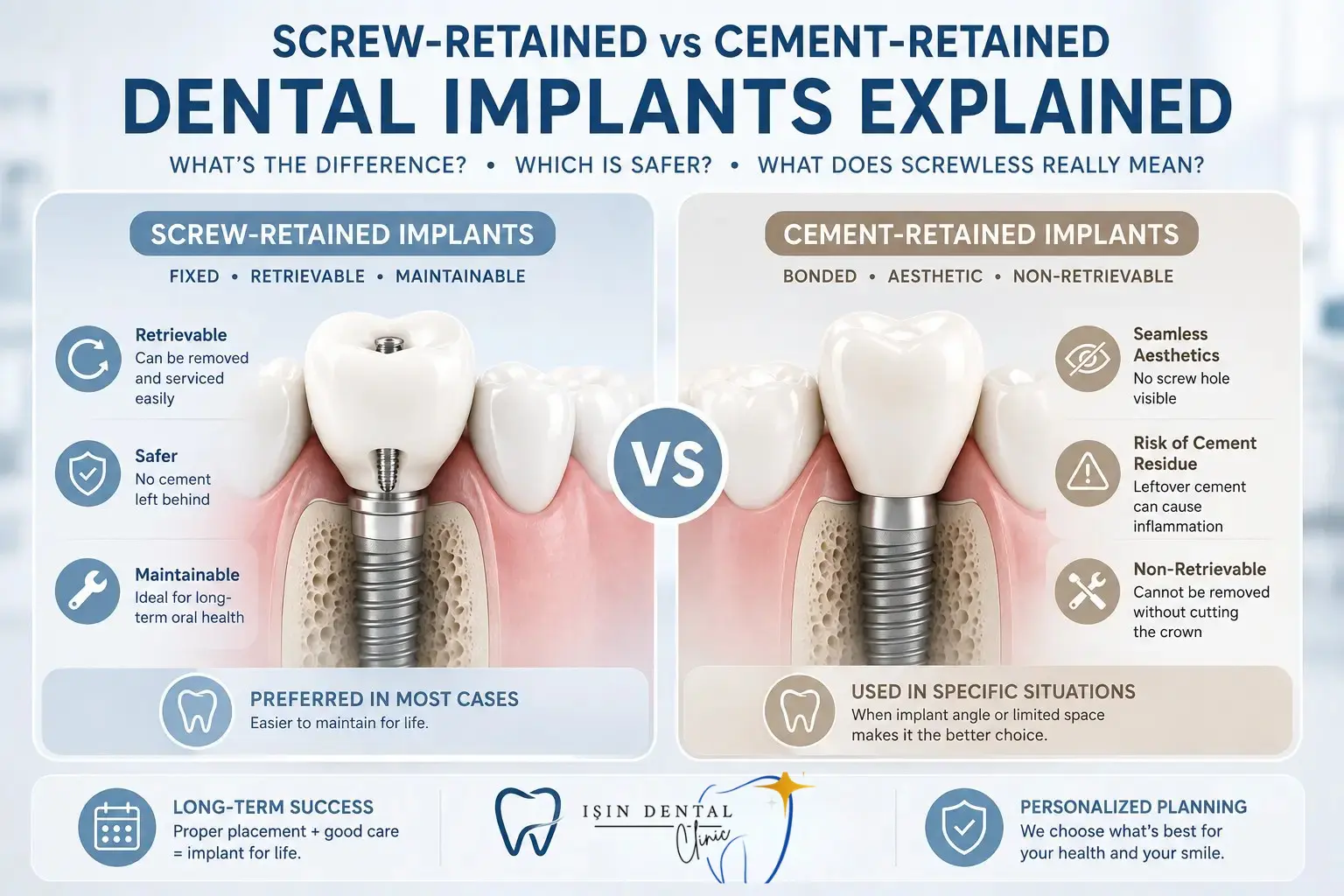
Screw-retained vs cement-retained dental implants: the difference is how the crown attaches to the implant, not the implant itself. Screw-retained crowns are secured with an access screw and can be removed for servicing. Cement-retained crowns are bonded on and look seamless but cannot be taken off. An Antalya oral surgeon explains which is used when, and what screwless implant really means.
Best denture adhesive guide from an Antalya dentist: how creams, powders, strips and thermoplastic types compare, the best option for lower dentures, how to apply and remove them, and the permanent alternative to relying on glue.
A black spot on a tooth is usually early decay, tartar or a surface stain. An Antalya dentist explains what a black dot on your tooth means, whether a painless one is serious, and how it is removed.
Veneers vs crowns: a veneer covers the front of a tooth for looks, a crown caps the whole tooth for strength. An Antalya dentist explains which you need and how E-max, zirconium and porcelain compare.
All-on-4 vs All-on-6: All-on-4 restores a full arch on four implants, All-on-6 on six. An Antalya oral surgeon explains the differences, the advantages and disadvantages of each, the cost against UK prices, and how to choose the right one.
Composite bonding vs veneers: bonding is cheaper, reversible and done in one visit, while veneers last longer and look more refined. An Antalya dentist explains the advantages and disadvantages of each, the cost against UK prices, and how to choose.
How long do turkey teeth last? Veneers typically last 10 to 15 years and zirconium crowns 15 to 20. An Antalya dentist explains the real lifespans and what affects them.
How much do turkey teeth cost? A full set ranges from around £3,500 to £5,500 in Antalya, versus £16,000+ in the UK. Here is the honest breakdown and what is included.
Is it safe to have dental implants in Turkey? The answer depends entirely on where you go. This guide explains what to look for, what questions to ask, and what the safety record actually shows.
Discover why visiting your dentist every 6 months is crucial for maintaining your oral health and preventing future complications.
Book An Appointment
Ready for a Brighter Smile?
Schedule your consultation today and take the first step towards a healthy, beautiful smile. Our team is ready to provide you with the best dental care.