The simple difference between veneers and crowns is how much of the tooth they cover. A veneer is a thin shell bonded to the front of a tooth to improve its colour and shape, and it removes very little tooth. A crown caps the whole tooth to rebuild its strength, and it removes more. So veneers are mainly a cosmetic fix for teeth that are basically healthy, and crowns are a restorative fix for teeth that are damaged, cracked or heavily filled. Which one you need is decided by the state of the tooth, not by which sounds better.
This is one of the most common things patients ask me before they travel, and there is a lot of confusing information out there, some of it designed to sell you the more expensive option. So here is the honest version: what each one is, when you genuinely need it, and how the main materials, E-max, zirconium and porcelain, actually compare.
Here is the rule I use in the chair. If the tooth is healthy and the problem is on the surface, colour, shape, a small chip or a gap, a veneer is usually all you need and keeps more of your natural tooth. If the tooth is heavily filled, cracked, worn down or has had root canal treatment, it needs the full coverage of a crown to stop it breaking. A good dentist will always choose the more conservative option that will actually last, which sometimes means talking you out of crowns you have been quoted elsewhere. If your concern is purely cosmetic and minor, it is also worth comparing veneers with the even more conservative option of composite bonding.
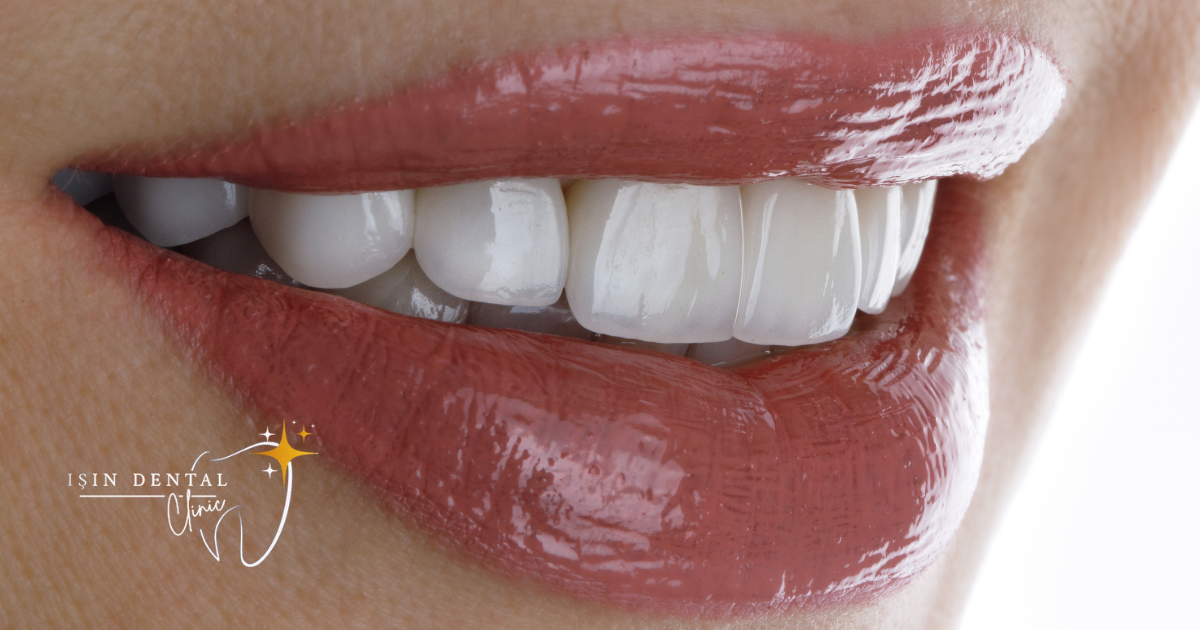
E-max is a glass-ceramic known for its translucency, the way it lets light through much like natural enamel. That is why it is my go-to for front teeth, whether as a veneer or a small crown, because it gives the most lifelike, natural-looking result. It is strong enough for everyday use on the teeth that show when you smile, which is exactly where people care most about a natural finish. You can see the full detail on our E-max treatment page, and it is also the material behind many laminate veneers.
Zirconium is far harder and tougher than other ceramics, which makes it the material of choice for crowns on back teeth and for anyone with a heavy bite or a history of cracking teeth. Modern zirconium is layered so it looks natural too, but its real advantage is durability, standing up to years of heavy chewing without chipping. If you need strength more than translucency, this is usually the answer. The full breakdown is on our zirconium treatment page.
Traditional porcelain crowns, including porcelain fused to metal, are the long-established option and still have their place, particularly where budget matters. They restore a tooth well, though metal-based versions can show a faint dark line at the gum over time, which is why fully ceramic E-max and zirconium have largely taken over for visible teeth. For the full picture, see our porcelain crown treatment page.
The tooth decides veneer or crown, and then the position decides the material. Here is how the three compare at a glance.
| Material | Best at | Best for |
|---|---|---|
| E-max | Natural translucency | Front veneers and crowns |
| Zirconium | Strength and durability | Back crowns, heavy bites |
| Porcelain (PFM) | Proven, budget-friendly | Less visible teeth |
For the teeth that show when you smile, aesthetics lead, so E-max is usually the winner, as a veneer if the tooth is healthy or a crown if it needs more support. For the molars at the back that do the heavy chewing, strength leads, so zirconium crowns make more sense. Most people who come to us for a full smile are somewhere in between, and the honest answer is a mix. On lifespan, the material and your care matter more than veneer versus crown, which we explain in our guide to how long turkey teeth last.
What is the difference between a veneer and a crown?
A veneer is a thin shell bonded to the front of a tooth to improve how it looks, and it removes very little tooth. A crown caps the entire tooth to rebuild its strength, and it removes more. In short, veneers are mainly cosmetic, crowns are restorative, though both can look completely natural.
Do I need a veneer or a crown?
It depends on how much of the tooth needs help. If the tooth is basically healthy and the concern is colour, shape or a small chip, a veneer is usually enough. If the tooth is heavily filled, cracked, root-treated or badly worn, it needs the full coverage of a crown. A dentist decides this from your teeth, not from a preference.
Are E-max veneers better than zirconium crowns?
They are built for different jobs. E-max is a glassy ceramic prized for its lifelike translucency, which makes it the top pick for front veneers and small crowns where looks matter most. Zirconium is much stronger, so it suits crowns on back teeth and heavy bites. Neither is better overall, they are better at different things.
Which is best for front teeth?
For front teeth, where appearance is everything, E-max veneers or E-max crowns usually give the most natural result because the material handles light like real enamel. Zirconium can also be used at the front with a layered, aesthetic finish, but E-max is the classic choice for a bright, natural smile line.
Which lasts longer, a veneer or a crown?
Crowns tend to last a little longer because they cover and protect the whole tooth, with zirconium crowns often lasting 15 to 20 years and quality veneers 10 to 15. Lifespan depends far more on materials and care than on the label, which we cover in detail in our guide to how long turkey teeth last.
Is a crown more damaging to the tooth than a veneer?
A crown removes more tooth structure than a veneer because it caps the whole tooth, so where a veneer will do the job we always prefer it to stay conservative. But on a tooth that is already weak or heavily filled, a crown is not extra damage, it is the protection that keeps the tooth from breaking.
Can you have veneers and crowns together?
Yes, and it is very common in a full smile makeover. Healthy front teeth might get veneers while a heavily filled or root-treated tooth beside them gets a crown, all matched to the same shade so the smile looks seamless. Mixing the two is normal, not a compromise.
Which should I choose for a full smile makeover?
Most smile makeovers use a mix, chosen tooth by tooth: veneers on the sound teeth, crowns where teeth need rebuilding, usually in E-max at the front for looks and zirconium further back for strength. The right blend is planned from your teeth and the smile you want, and we go through it with you before anything starts.
So the short version is this: let the tooth choose between a veneer and a crown, and let the position choose the material. Do not be talked into crowning healthy teeth, and do not settle for a weak material where your bite needs strength. If you would like to know exactly what your own smile needs, send a few photos through our free online consultation and one of our dentists will give you an honest, tooth-by-tooth plan.